
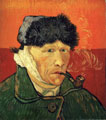





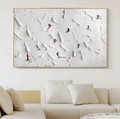


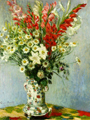





Gold painting is an artistic technique that uses gold leaf, gold powder, metallic pigments, or gold-colored paint to create luminous details and decorative effects on a painting surface. Applied to linen canvas and other supports, gold can reflect light, enrich colors, and add a distinctive sense of depth and elegance. Gold paintings range from traditional religious and historical artworks to contemporary abstract compositions, floral paintings, portraits, and luxurious decorative wall art.
The History and Development of Gold Painting
Gold has been used in art for thousands of years because of its brilliance, rarity, and symbolic associations with wealth, power, and spirituality. In Byzantine and medieval European art, gold leaf was widely applied to religious icons, altarpieces, halos, backgrounds, and decorative details. Its reflective surface represented divine light and created an atmosphere of sacred grandeur.
Gold also became an important feature of Japanese and Chinese decorative arts. Japanese artists used gold leaf, known as kinpaku, on folding screens and other artworks depicting landscapes, flowers, birds, and seasonal scenes. In India, gold embellishments appeared in traditional miniature paintings, particularly in royal portraits, courtly scenes, and religious subjects. Across these cultures, gold was valued not only for its beauty but also for its ability to emphasize important visual elements.
In modern and contemporary painting, artists continue to explore gold as both a decorative material and an expressive element. Gold can appear as a delicate accent, a richly textured background, or a dominant feature in abstract and figurative compositions. Its changing reflections create different visual effects depending on the lighting and viewing angle.
Styles and Techniques of Gold Paintings
Gold paintings are not limited to one artistic style. Traditional religious paintings often use gold to highlight halos, garments, and sacred backgrounds. Decorative floral and landscape paintings combine gold accents with natural colors to create warmth and sophistication. Contemporary abstract gold paintings use metallic surfaces, layered textures, and expressive brushwork to produce dramatic compositions. Portraits and figurative artworks may incorporate gold details to emphasize clothing, jewelry, or important features.
Several techniques are commonly used in gold painting:
1. **Gold leaf:** Extremely thin sheets of genuine gold or imitation metal leaf are attached to a prepared surface to create a reflective finish. Depending on the materials and application method, the leaf may be burnished for a smooth shine or left with a softer texture.
2. **Gold powder:** Fine gold or metallic powder can be mixed with an appropriate binder or medium and applied with a brush to create delicate highlights, decorative patterns, and textured details.
3. **Gilding:** This traditional decorative process involves applying gold leaf or metallic material to selected areas of an artwork. Water gilding and oil gilding are two established methods, each producing different surface qualities.
4. **Metallic paint:** Gold-colored pigments and metallic paints provide a practical way to create golden effects, allowing artists to combine brushwork, color, and texture more freely.
5. **Mixed-media techniques:** Artists may combine gold materials with oil paint, acrylic, or other compatible media to create layered compositions and distinctive surface effects.
The Characteristics of Gold Painting
Gold paintings are appreciated for their luminosity, decorative richness, and ability to interact with light. Genuine gold leaf has a distinctive metallic reflection that ordinary yellow paint cannot fully reproduce. Gold-colored pigments, imitation leaf, and metallic paints offer different appearances and practical advantages.
The most important characteristics include reflective brilliance, intricate decorative details, warm color harmony, rich surface texture, and strong visual contrast. Gold can complement deep blues, reds, greens, black, and neutral tones. When carefully balanced with other colors, it can emphasize the focal point of a composition without overwhelming the entire painting.
Gold Paintings as Luxury Wall Art
Gold wall art can introduce warmth, elegance, and a distinctive decorative accent into a home or commercial interior. A large gold abstract painting can become a focal point above a sofa or dining table, while a gold-accented floral or landscape painting can complement a bedroom, hallway, or elegant living space.
When choosing gold paintings for room decor, consider the following suggestions:
1. **Match the interior style:** Gold leaf paintings complement classic, traditional, Art Deco, and contemporary interiors, depending on their composition and finish.
2. **Consider lighting:** Natural and artificial light can change the appearance of metallic surfaces. Position gold artwork where its reflective qualities can be appreciated without causing excessive glare.
3. **Balance metallic colors:** Gold can be combined with silver, bronze, or copper, but a consistent color scheme helps prevent the room from looking overcrowded.
4. **Choose the right size:** A large gold canvas can create a dramatic statement, while smaller gold paintings can be grouped into an attractive gallery wall.
5. **Select a suitable subject:** Abstract art, flowers, landscapes, portraits, religious themes, and decorative patterns all offer different ways to incorporate gold into an interior.
What Determines the Price of Gold Paintings?
The price of a gold painting depends on more than its size. Important factors include whether genuine gold leaf or imitation leaf is used, the amount of gold material, the complexity of the gilding process, the quality of the canvas and other materials, the artist's experience, and the time required to complete the work. Extensive hand-applied gold details and custom compositions generally require more labor and specialized skills.
Before purchasing, check whether the artwork uses genuine gold leaf, imitation leaf, gold powder, or metallic paint. These materials are not interchangeable, and a higher price does not automatically mean that a painting contains more genuine gold. Clear material descriptions and photographs of the finished surface help buyers understand what they are purchasing.
Hand-Painted Gold Art by TOPERFECT
At TOPERFECT, gold painting brings together traditional decorative techniques and the creative vision of academically trained artists. Our team is a collective of professional painters, including art college teachers, with knowledge of art history, composition, color theory, and traditional painting methods. This academic foundation helps our artists use gold not simply as decoration, but as an integral part of the artwork's visual structure.
Our hand-painted gold artwork explores abstract compositions, elegant floral subjects, landscapes, portraits, and decorative designs. Artists carefully combine oil colors, metallic effects, and textured brushwork to create visual harmony and depth. Depending on the selected artwork, gold-colored paint, metallic powder, or gold leaf may be used. Buyers can check the specific material description when choosing a painting or discussing a custom commission.
Unlike a mechanically reproduced image, a hand-painted oil painting is developed through the artist's direct work on the canvas. Individual brushstrokes, layered pigments, and carefully applied decorative details give the finished artwork its own surface character. For customers who appreciate artistic craftsmanship and the physical presence of paint, a hand-painted gold painting offers a distinctive alternative to mass-produced wall decor.
Whether you are looking for luxurious gold leaf wall art, a contemporary abstract gold painting, or an elegant decorative oil painting for your home, TOPERFECT offers artworks that combine artistic knowledge, traditional craftsmanship, and expressive design.
The Copyright of Scripts is Reserved by Toperfect.
42 Gold Paintings for Sale. Satisfaction Guaranteed 100%!