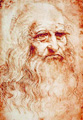
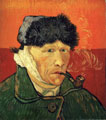
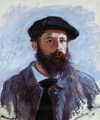
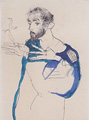
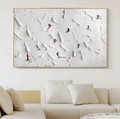
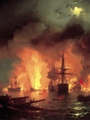
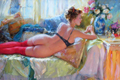
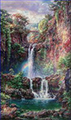

Here is Chinese art in subjects ranging from traditional landscapes, flowers and birds to portraits, historical scenes, abstract ladies, and rural life. Explore the artists and subcategories to discover different periods and approaches to Chinese painting. China's artistic heritage encompasses both traditional ink painting and modern Chinese oil painting. Although these forms have different materials and histories, both offer distinctive ways to interpret Chinese culture, nature, people, and everyday life.
The History and Traditions of Chinese Painting
Chinese painting is one of the world's great continuous artistic traditions, with roots extending back thousands of years. Traditional works were commonly created with brushes, ink, and mineral or plant-based pigments on paper or silk. Calligraphy played a central role in the development of painting: the control, rhythm, pressure, and movement of the brush could communicate both the subject and the painter's personality. Poetry, inscriptions, and seals often became integral parts of the finished composition.
Landscape painting became especially important during the Song and Yuan dynasties. Artists such as Ma Yuan and Ni Zan developed distinctive ways to express mountains, rivers, trees, and open space. Ming and Qing painters, including Shen Zhou, Qiu Ying, Bada Shanren, Shitao, and Zheng Banqiao, explored different approaches to observation, literati expression, and individual brushwork. Their work demonstrates that Chinese painting is not a single fixed style, but a tradition continually renewed by artists across generations.
Famous Chinese Painters and Their Artistic Contributions
Chinese art includes court painters, literati masters, innovative individualists, and modern artists who brought Eastern and Western methods into dialogue. Qi Baishi became celebrated for expressive depictions of flowers, insects, fish, and everyday subjects. Zhang Daqian was admired for his traditional brushwork as well as his later splashed-ink and splashed-color landscapes. Xu Beihong combined Western academic training with Chinese subjects, becoming particularly famous for his energetic horse paintings. Lin Fengmian developed a distinctive synthesis of Chinese pictorial traditions and modern European composition, while Chen Yifei became known internationally for carefully rendered figures, atmospheric scenes, and evocative images of Chinese life.
Another important figure is Giuseppe Castiglione, known in China as Lang Shining. Working at the Qing imperial court, he combined European techniques of perspective and modeling with Chinese subjects and court painting conventions. Together, these artists illustrate the diversity of Chinese art, from classical ink painting to contemporary figurative and oil painting.
Chinese Oil Painting and the Meeting of East and West
Oil painting developed in China through modern cultural exchange, art education, and the influence of European painting. During the twentieth century, artists such as Xu Beihong, Lin Fengmian, and later Chen Yifei helped establish distinctive approaches to Chinese oil painting. Some emphasized academic drawing, realistic modeling, and historical subjects; others incorporated traditional Chinese composition, poetic atmosphere, and expressive brushwork into the medium of oil on canvas.
Chinese oil paintings can therefore range from realistic portraits and historical scenes to atmospheric landscapes, still lifes, and contemporary abstract works. Their visual language may combine Western techniques of light, perspective, and layered color with Chinese preferences for balance, symbolism, and an intimate relationship with nature.
Famous Chinese Paintings and Auction Highlights
Chinese painting has attracted international collectors, and important auction results demonstrate the demand for exceptional works with strong provenance and artistic significance. The following are notable public auction results, not a ranking of every Chinese artwork ever sold:
1. **Qi Baishi, *Twelve Landscape Screens* (1925):** sold at Beijing Poly Auction on December 17, 2017, for RMB 931.5 million, including buyer's premium, approximately US$141 million at the time. The twelve ink landscapes established a landmark auction record for Chinese art.
2. **Ren Renfa, *Five Drunken Princes Returning on Horseback*:** sold at Sotheby's Hong Kong on October 8, 2020, for HK$306.551 million, approximately US$39.6 million. This Yuan dynasty handscroll is admired for its lively depiction of horses and figures.
3. **Chen Rong, *Six Dragons* (13th century):** sold at Christie's New York on March 15, 2017, for US$48,967,500. This remarkable ink handscroll is celebrated for its dramatic dragon imagery and expressive brushwork.
4. **Huang Binhong, *Yellow Mountain*:** sold at China Guardian in 2017 for RMB 345 million, approximately US$49.1 million. The work reflects Huang's mature landscape style and distinctive use of dense ink textures.
5. **Zhang Daqian, *Peach Blossom Spring*:** sold at Sotheby's Hong Kong in April 2016 for HK$270.68 million, approximately US$34.7 million. The painting demonstrates the artist's imaginative landscape vision and command of color.
These results show the strength of selected Chinese painting markets, but auction prices vary according to rarity, condition, provenance, historical importance, and buyer demand. Traditional ink paintings, modern Chinese oil paintings, and contemporary works also belong to different collecting categories.
Subjects and Styles of Chinese Paintings
Traditional Chinese paintings are often grouped into several broad subject categories. **Shanshui** landscapes express the relationship between mountains, water, atmosphere, and the human world. **花鸟画 (flower-and-bird painting)** features flowers, birds, insects, and plants, often with symbolic meanings such as prosperity, longevity, or resilience. **人物画 (figure painting)** portrays historical figures, scholars, court life, and ordinary people. Other subjects include animals, architecture, mythology, religious stories, and scenes from daily life.
Two influential approaches are **gongbi**, a meticulous style characterized by fine outlines and carefully applied color, and **xieyi**, a more expressive approach that captures the spirit of a subject through simplified forms and spontaneous brushwork. Modern Chinese oil painting adds further possibilities through realism, Impressionist influence, abstract composition, and textured layers of paint.
Chinese Paintings for Home and Interior Decor
Chinese art can bring cultural character and visual balance to living rooms, bedrooms, offices, and hospitality interiors. A mountain landscape can create a peaceful focal point, while flower-and-bird subjects add color and a sense of vitality. Horse paintings can introduce movement and energy, and portraits or historical scenes can give a room a more classical atmosphere. For a contemporary interior, consider Chinese-inspired abstract paintings that combine traditional motifs with modern composition.
When selecting Chinese wall art, consider the scale of the wall, furniture arrangement, lighting, and the dominant colors in the room. A large landscape painting can work well above a sofa or dining table, while smaller coordinated works can form an attractive gallery wall. Choose a subject and palette that complement the room without overwhelming its existing design.
Chinese Oil Paintings Hand-Painted by TOPERFECT
TOPERFECT brings together a collective of academically trained painters, including art-college teachers and experienced artists. Our artists approach Chinese-inspired subjects with careful attention to drawing, composition, color relationships, and the cultural character of each theme. We value both the traditions of Chinese art and the possibilities of oil painting, creating works that can interpret Eastern subjects through a range of classical, realistic, Impressionist, and contemporary styles.
Our hand-painted Chinese oil paintings may feature landscapes, flowers and birds, horses, figures, architecture, and scenes inspired by Chinese history and daily life. Oil paint allows artists to build depth through successive layers, refine subtle transitions of light, and develop expressive surface textures. Customers can also consider custom paintings based on preferred subjects, dimensions, color schemes, and interior requirements.
Whether you are drawn to traditional Chinese landscapes, the expressive brushwork of literati painting, or modern Chinese oil art, explore the collection to find a work that reflects your taste and brings lasting artistic character to your space.
1571 Chinese Paintings for Sale. Satisfaction Guaranteed 100%!